Toss preference
CHASE
13 of the last 18 completed games at this venue were won by the side chasing. Captains who win the toss at Hyderabad tend to field first.
Source: ground profile, updated 14 Aug 2026
A side-on wide-angle read of the Hyderabad surface, dew pattern and the three players the LeaguesX desk is putting its name on for tonight's fixture.
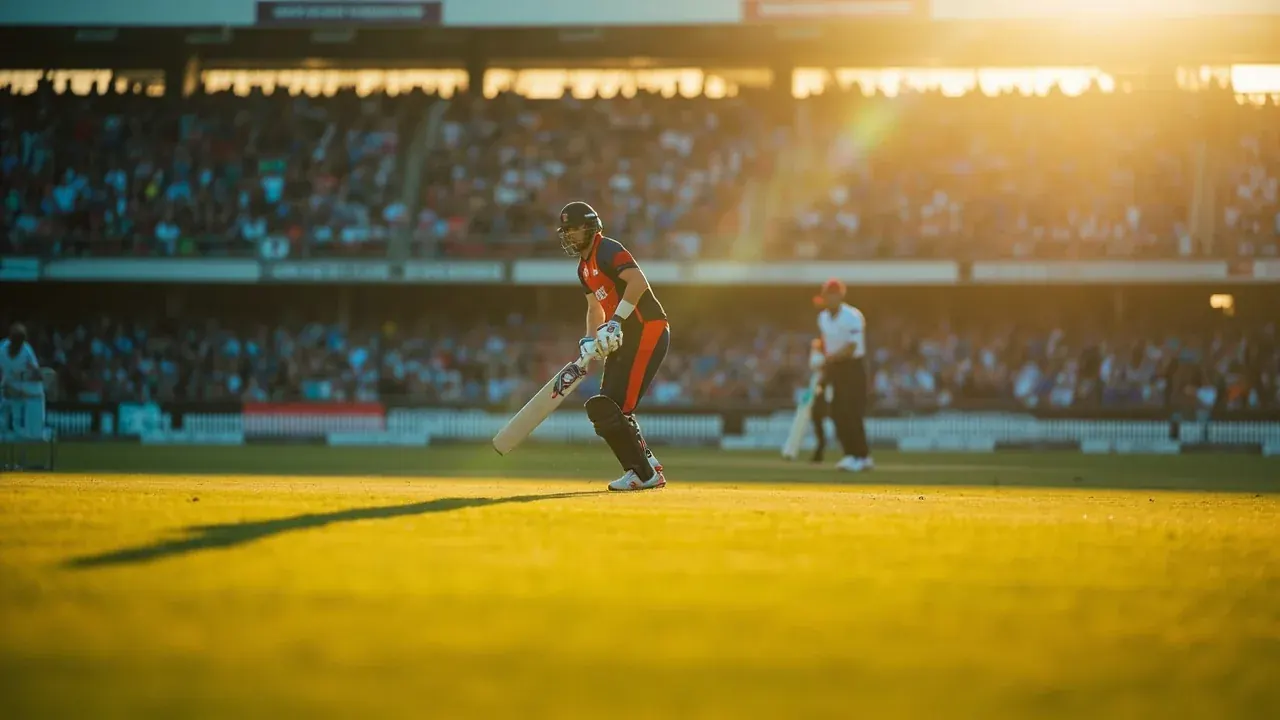
T20, ODI, Test and T10 reward different innings shapes. The desk's chapter tabs cover the four formats and what each demands from your eleven.
First six overs set the ceiling. Openers and an attacking top three decide the score band; bowlers with powerplay overs decide the contest.
Spinners and anchors decide the rate. Differential picks sit in the 25-35 overs band rather than the death.
Patience beats ceiling. Pick frontline seamers on day-one pitches and trust the batting order depth in the second innings.
Boundary-hitters and yorker bowlers only. Every player in the eleven has a defined role for ten overs.
Form arrows are read off confirmed results, not tipster apps. Each row carries the venue tag and a recent-direction marker.
| Player | Role | Last 5 | Venue band | Arrow |
|---|---|---|---|---|
| S. Iyer | BAT | 41 · 67 · 28 · 54 · 39 | 3 of 5 at Hyderabad: 30+ | ↑ |
| R. Jadeja | AR | 2/26 · 1/31 · 3/24 · 1/40 · 2/29 | Dew factor in second innings | ↑ |
| R. Pant | WK | 52 · 14 · 38 · 71 · 25 | vs left-arm spin: 162 SR | → |
| Y. Chahal | BOWL | 2/22 · 1/35 · 2/28 · 0/31 · 3/19 | Powerplay wicket frequency: high | ↑ |
| T. Head | AR | 33 · 48 · 12 · 39 · 41 | vs spin in middle overs: 138 SR | → |
13 of the last 18 completed games at this venue were won by the side chasing. Captains who win the toss at Hyderabad tend to field first.
Source: ground profile, updated 14 Aug 2026
Dew onset around the 12th over of the chase. Spinners grip drops by 12 to 18 percent on this surface once the outfield is wet.
Source: Hyderabad dew index, 2025-26 season
Square boundaries are slightly shorter than the straight hits. Sixes over the leg side are more frequent than the off side on this surface.
Source: ground profile, verified Aug 2026
Evidence dossiers combine form arrow, role tag, venue record and a captaincy rationale. Numbers are phrased as summary rows, not ball-by-ball data.
 S. Iyer
Top-order · BAT
Captain
S. Iyer
Top-order · BAT
Captain
 R. Jadeja
All-rounder · AR
Vice
R. Jadeja
All-rounder · AR
Vice
 R. Pant
WK-BAT
Differential
R. Pant
WK-BAT
Differential
Most fantasy tips stop at "who is in form" or "who plays at home." The desk goes one layer further and reads the venue, the surface and the confirmed XI side-by-side. The method is not a model you can run in 30 seconds; it is a sequence the editorial desk follows before each marquee fixture.
A player's recent average is the wrong number to read first. Venue record — the average at the specific ground, in the specific role — is what separates a desk pick from a tipster copy. The Hyderabad surface rewards square-of-the-wicket batting and slower bowlers who bowl into the pitch; venue record captures both.
Form arrows are simple markers: up, flat, down. They are not weighted scores. The desk reads the last five innings, the last four bowling spells and the last three fielding contributions. If two of the five are bad and three are not great, the arrow is flat; it does not become a positive.
Captain picks rest on role fit before ceiling. A top-order anchor in good form on a slow surface is a safer captain than a middle-order striker who has had one good game. The desk reads role fit against the specific opposition matchup: pace on pace, spin on spin, left-arm versus right-hand batting.
Toss and confirmed XI change everything. When the desk writes the captain pick before the toss, the language is conservative: "if the XI is as expected." When the toss is in and the XI is announced, the desk updates the rationale within the editorial window.
The desk picks for skill, not for variance. A consistent 35-run anchor is a captain pick before a 65-or-zero striker.
Selection framework is the chapter most fantasy readers skip and most fantasy teams fail on. The desk's framework has four parts and one rule: never spend 9 credits or more on a player whose role you cannot describe in one sentence.
The desk treats the 100-credit purse as three buckets: three anchor players at 9-10 credits, four middle-band players at 7.5-9, and four differentials under 7.5. Skewing the purse to one bucket — six anchors, for example — leaves no room for the differential pick that lifts a side above the field.
Eleven players, four roles. The desk's preferred split is one wicket-keeper, three to four batters, two to three all-rounders and three to four bowlers. All-rounders carry the ceiling; bowlers carry the captaincy differential; batters carry the floor.
The captain is a 2x multiplier on the player's points. The vice-captain is a 1.5x multiplier on the second pick. Spend the captaincy on your highest-floor player, not your highest-ceiling player. Floor beats ceiling on captaincy because the multiplier compounds the variance.
The differential under 9 credits is the pick that lifts a side above the public field. The desk looks at players in the 7-9 credit band whose role matchup is sharp — a left-arm spinner against a right-hand-heavy top order, a death-over specialist against a tail that struggles with yorkers.
Spend the captaincy on floor. Spend the differential credits on role matchup. The middle of the side is where the desk is most conservative.
LeaguesX is a sports desk, not a cricket-only desk. Each sport below carries a one-paragraph read and two image-led angles.
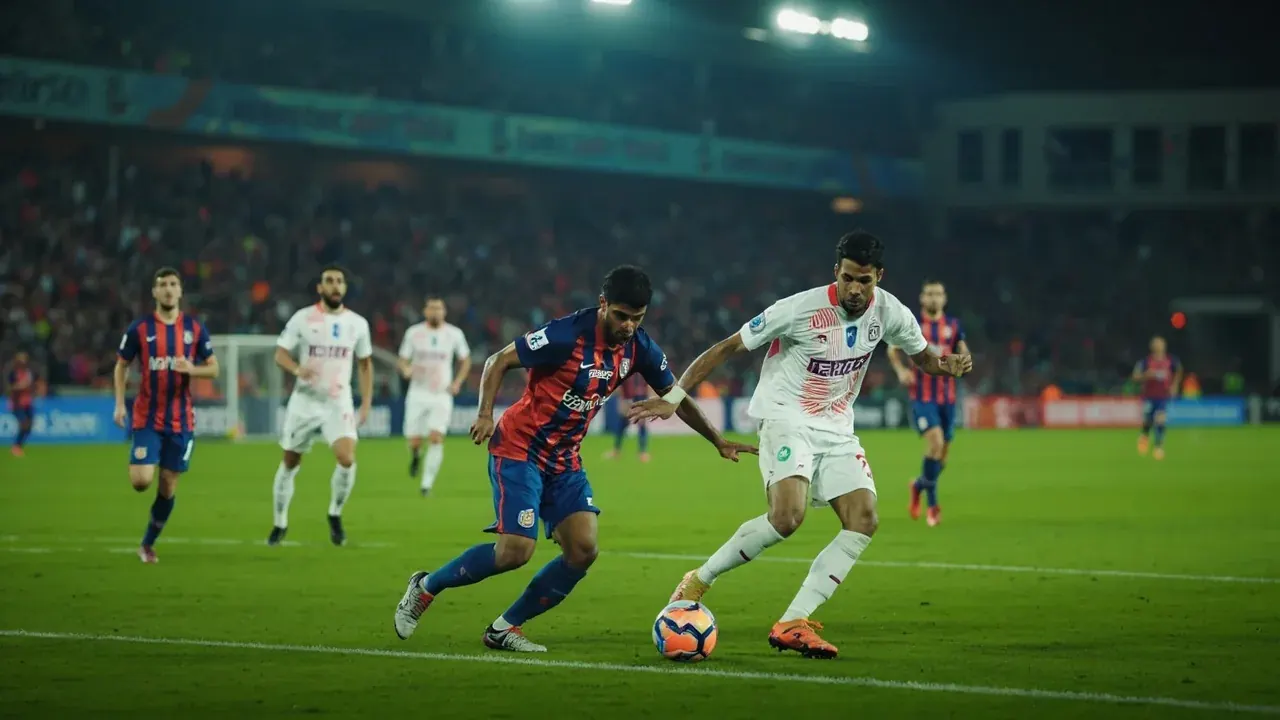
The GW3 slate settles the early-season form markers. The desk reads expected goals (xG) and the high-press success rate rather than the result column. A side that underperforms xG by more than 0.6 over a three-game window is a buy-low candidate, not a sell.

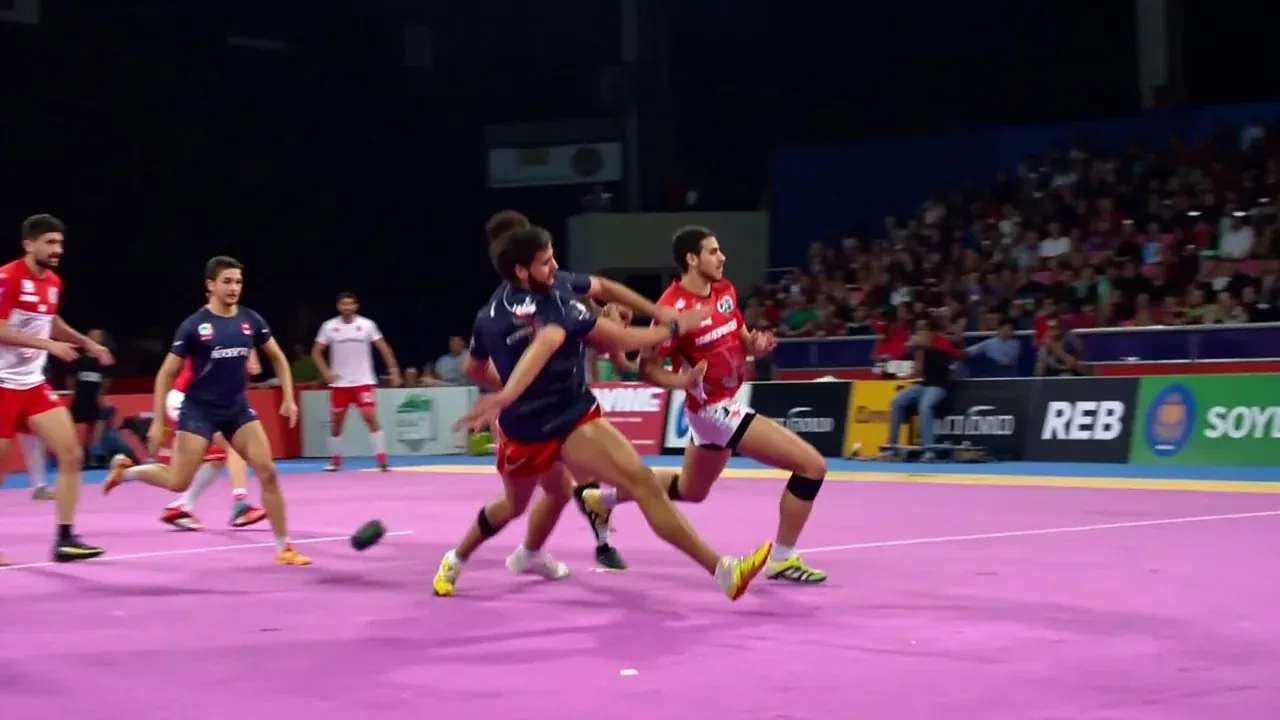
Do-or-die raids in the Pro Kabaddi League decide raid-point totals more than the tackle column. The desk reads the raid-success rate split between first-half and second-half do-or-die situations; a raider who converts 38 percent or higher on do-or-die is a captain pick in this format.

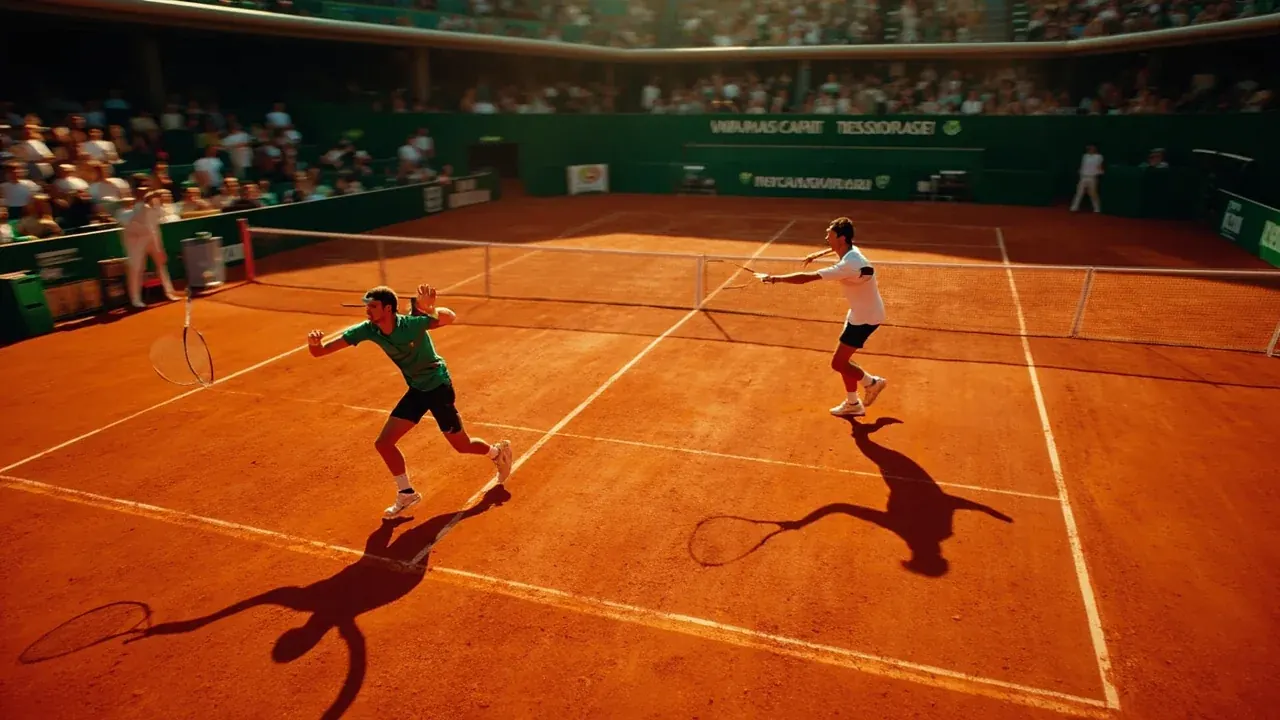
Clay rewards endurance and topspin. The desk reads the first-serve percentage win rate on clay versus the player's hard-court number; a drop of more than 8 percent signals a surface mismatch, even when the player is technically ranked higher.

Sources are cited at the bottom of the ladder. Last editorial check 14 Aug 2026, 18:42 IST.
Source: ICC/BCCI/IPL feed; Premier League official site; Pro Kabaddi League schedule. Last editorial verification 14 Aug 2026, 18:42 IST.
Live fixture ticker, captain evidence dossiers, format primer and the corrections register — packaged into the LeaguesX app for iOS and Android. Verification cues below are checked weekly by the editorial desk.

Every captain pick rests on venue record, recent form arrow, role fit and confirmed XI when available. Pick rationale is published alongside the pick.
Form data is read off publicly available score feeds. Tournament publications and ground profiles are cited with the verification date in each chapter.
Each chapter carries a last-update stamp. When a captain pick changes after the toss, the desk publishes a within-window correction note.
Editorial answers on fixtures, rules and selection — written in the desk's voice, not a chatbot's.
The desk writes about live sports and fantasy selection context across cricket, football, kabaddi and tennis. Each chapter explains a fixture, a form pattern, a captain pick or a tactical idea in plain editorial language, with verified source-date stamps.
Captain picks rest on a four-factor model: venue record, recent form arrow, role fit and confirmed XI when available. Pick rationales are written by the desk, not pulled from third-party predictor apps.
LeaguesX is an editorial sports desk. The brand provides reading and analysis for fantasy players and match followers. LeaguesX does not run a paid contest, manage wallets, or process deposits.
Form data is sourced from publicly available score feeds and tournament publications; entries carry a verification stamp with the date of the last editorial check.
LeaguesX does not publish a fixed rupee-value bonus code. The refer code page explains the editorial coverage of welcome offer language that other operators publish, with caution against copying unverified amounts.
Use the contact and corrections register on the About the desk page. The desk reads every correction tip within 48 hours.
LeaguesX publishes editorial coverage for readers aged 18 and over. Fantasy sports is treated as a skill-based game in India under the Public Gambling Act framework, with state-level variations. Editorial content is for information and analysis only and does not constitute an offer, invitation or guarantee of any specific contest outcome or financial result.
Three filed notes from the news desk this week. Each post carries a source stamp and a fantasy-impact read.

The chase bias at Hyderabad, the dew window after the 12th over and the role-fit reads the desk is putting its name on for tonight's fixture.

A captain is a 2x multiplier on the player's points. Floor beats ceiling on captaincy because the multiplier compounds the variance.

A player's recent average is the wrong number to read first. Venue record — the average at the specific ground — separates a desk pick from a tipster copy.
The desk's reading rails for live sports and fantasy selection context.
Live fixtures, verified schedule rows and venue reads across cricket, football, kabaddi and tennis.
Tonight's captain evidence dossiers, three at a time, written in the desk's voice with form arrows and venue notes.
Selection framework, budget allocation, role split, captaincy math and the differential under 9 credits.
Squad windows, recent results and the key players the desk watches for India, Australia, England and the IPL franchises.
Player ledger across formats: role, recent form arrow, venue splits and captain-pick frequency where it applies.
Filed notes with what happened, why it matters, the fantasy impact and what the desk is watching next.
Captain picks, format primer, fixture ladder and the corrections register — one tap away. The desk reads every correction tip within 48 hours.